
Juli McLoone
Posts tagged with American Culinary History
Showing 1 - 10 of 52 items
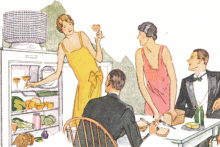
The Special Collections Research Center is pleased to announce a new exhibit opening next week on Monday, September 21st -- "Faster and More Fun: American Home Cooking in the 1920's." Join us at 4pm that day for an opening panel discussion featuring three scholars of food history.
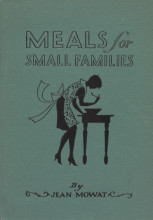
Get a sneak peak at SCRC's upcoming Fall exhibit through our August “Recipe of the Month.” Drawn from Meals for Small Families by Jean Mowat, “Cocoa Sticks” epitomizes one of the key themes of the 1920s: an unapologetic use of commercially made and packaged foodstuffs in support of simple & speedy meal preparation.
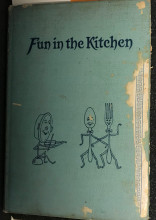
This month’s recipe offers a preview of Special Collections’ Fall exhibit: Faster and More Fun: American Home Cooking in the 1920s, with Chocolate Blanc Mange from Fun in the Kitchen (1927).
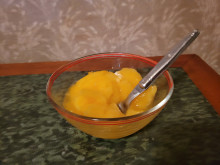
Summer calls for cool drinks and cool eats. This month’s recipe comes from Fannie Farmer’s The Boston Cooking School Cook Book (1920), third edition, third printing.

Like April's Corn Bread, this month’s recipe is drawn from Ella Hall’s manuscript cookbook, which will be available to purchase as a facsimile from the University of Michigan Press in June. One of the first recipes that caught my attention when I read through this book was “Sweet Pickled Apples,” credited to "Mrs. Rhea on Ann St."
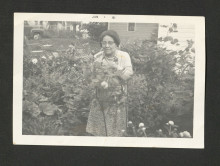
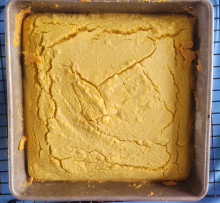
Keeping with last month's theme of cornbread, this month’s recipe is also corn bread, but from the 20th century. Ella Hall was a Black landlord and cook who lived in Ann Arbor from the early 1920s until she passed away in 1962. Her manuscript cookbook resides in the Janice Bluestein Longone Culinary Archive and a facsimile edition will be released by the University of Michigan Press in June 2026.
Due to unforeseen circumstances, this event has been canceled, but we plan to reschedule for Fall 2026.
Join us on Friday, April 17th from 2:00-300pm in the Hatcher Gallery Event Space for the first Longone Lecture, a biennial lecture series exploring the history of food and drink in the United States. We are delighted to welcome our first speaker, Rebecca Sharpless, Professor of History at Texas Christian University. Dr. Sharpless writes on the intersections of food, women, and work in the American South. This event is hybrid and a zoom link is also available.
Join us on Friday, April 17th from 2:00-300pm in the Hatcher Gallery Event Space for the first Longone Lecture, a biennial lecture series exploring the history of food and drink in the United States. We are delighted to welcome our first speaker, Rebecca Sharpless, Professor of History at Texas Christian University. Dr. Sharpless writes on the intersections of food, women, and work in the American South. This event is hybrid and a zoom link is also available.
Malinda Russell’s A Domestic Cook Book, published in Paw Paw, MI in 1866 is the oldest known cookbook by an African American woman. A free woman of color from Tennessee who had moved to Michigan to escape violence during the Civil War, Malinda Russell wrote her cookbook in hopes of raising money to return to Tennessee and reclaim her property. This blog post highlights her recipe for cornbread

Please join the Special Collections Research Center and the Sustainable Food Systems Initiative at 5:00pm on Thursday, March 12th for a screening of episode 4 of the documentary series The Price of Milk: The Kids Are Not Alright, followed by a panel discussion with Oatly Global VP of Sustainability Erin Augustine and Food Studies scholar Margot Finn.
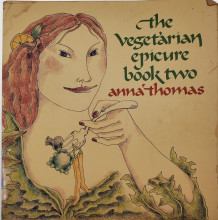
In 1978, Anna Thomas published a sequel to her first book entitled The Vegetarian Epicure. Book Two. This book went through numerous printings (JBLCA holds the 8th printing, issued in 1981). For this month’s recipe of the month, I decided to try Thomas' “baba ghanouj,” which she describes to those unfamiliar with it as “a salad of eggplant and sesame paste.”