
Leigh Anne Gialanella
Library Blogs
Showing 61 - 70 of 89 items
Results
for keyword: digital preservation
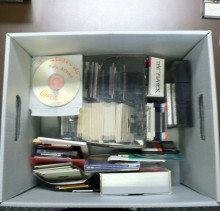
An outline of the workflow developed to image and preserve content from obsolete floppy disks. Part 1 of 2.
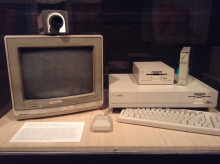
A report from Pittsburgh on the National Digital Stewardship Alliance's annual conference, Digital Preservation 2017.
•
iPres 2018 in Boston releases the initial call for contributions.
•
Part 2 of the Personal Digital Archiving Guide covers characteristics of digital file formats that you should consider when deciding how to preserve your digital materials.
•
The June 2017 Data Bites Forum provided an opportunity for librarians to share what they had learned from attending the Research Data Access and Preservation (RDAP), IASSIST and other data related conferences.
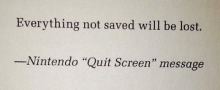
The first in a series of how-to guides helping you to preserve your personal files and archives!
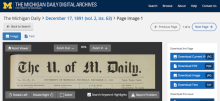
The Michigan Daily Digital Archives is a joint collaboration between the University of Michigan Library IT division, Michigan Daily, and the Bentley Historical Library. The Michigan Daily Digital Archives provides searchable access to over 300 volumes, 23,000 issues of digitized student newspaper, from 1891 through 2014. New volumes of the newspaper will be added in the future as they become available. The Library IT team developed a robust discovery interface for the archives. The team made the choice of building a discovery system instead of using an out of the box application or vended solutions. The development team followed Scrum-like Agile approach for website development.
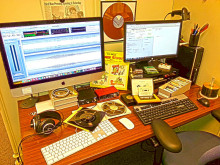
The Audio/Moving Image Team has been digitizing audio since 2009. Read more to find out why, how, what we've done, what we're going to do, and what others are doing!
Throughout my time in the Design Lab, I have embarked upon a journey—a continuation of my quest to better understand various online community spaces and the potential connection between social media and healing. Specifically, I have been interested in how social media impacts Black women’s mental health and well-being, and thus, are Black women potentially curating self-definitions, online, through cultivating healing, affirming, and authentic social media spaces?
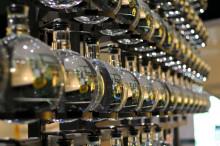
We are putting together a super sweet lab to handle born-digital content!!