
Situation
Let’s set the stage: Have you ever felt compelled to buy something just because it was on clearance? I know I have. Some time ago, I couldn’t resist grabbing armfuls of super bulky yarn—imagine piles of sparkly, soft, plush, velvety clouds—even though I had no real need for it and absolutely no project in mind. Sometimes, those impulse buys just call your name, and you can’t help but answer.
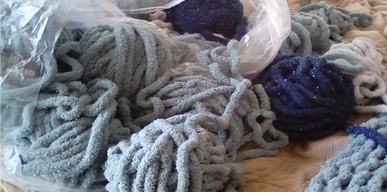
Sparkly, soft, plush, velvety clouds of yarn.
Background
I’m no yarn rookie—I’ve been crocheting for years, so I figured making a blanket would be easy. But after about 40”, my double crochet creation was disappointingly uneven and lumpy. Inspired by some newfound loom knitting know-how, I built a makeshift loom out of wood & nails, but the stitches pulled way too tight. Instead of soothing, it just turned into a stressful yarn ordeal.
Assessment
So here I was, staring at (and occasionally tripping over) my clearance mountain of yarn—frustrated and a little defeated. The crochet approach left me with gaps and uneven ends, while my homemade loom pulled the yarn way too tight. It was clear I needed a better tool: a loom designed specifically for chunky yarn. Enter the world of 3D printing. I found an incredible 3D-printed chunky loom pattern, and it looked promising. But how to bring this digital design into reality?
Recommendation
I took my 3D loom pattern to the Shapiro Design Library*, right here at U-M. Let me tell you—the staff were fantastic! They walked me through the process, answered all my questions, created a checklist, and helped me get my loom pieces printed. They were friendly, knowledgeable, proactive, curious, and genuinely excited to support creative exploration.
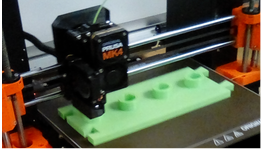
A loom piece being printed.
Once all my pieces were printed, a bit of sanding was needed to ensure that they fit together perfectly. To prevent the weight of the knitted blanket from pulling apart the intersecting components. I positioned the loom at the end of a bed, allowing the blanket’s weight to rest on the bed instead.
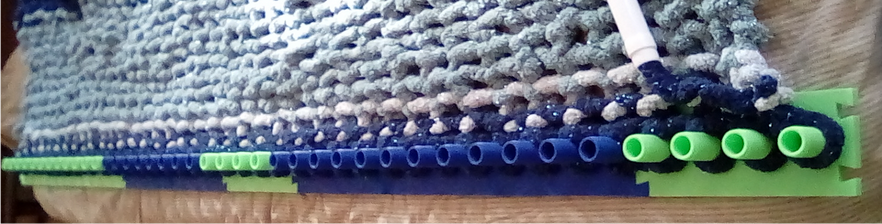
The blanket being made on the printed loom.
Despite an occasional creak and groan, working the loom was a breeze—the stitches were even, the yarn flowed smoothly, and after ~110 rows, I had a cozy blanket. After 3 years of effort—crocheting, nailing and renailing my homemade loom, frogging, washing, drying, dyeing, and untangling the yarn—just in time for spring 😉, my chunky blanket is now perfect for a restful night’s sleep, so I can wake up refreshed and ready to write quality software.
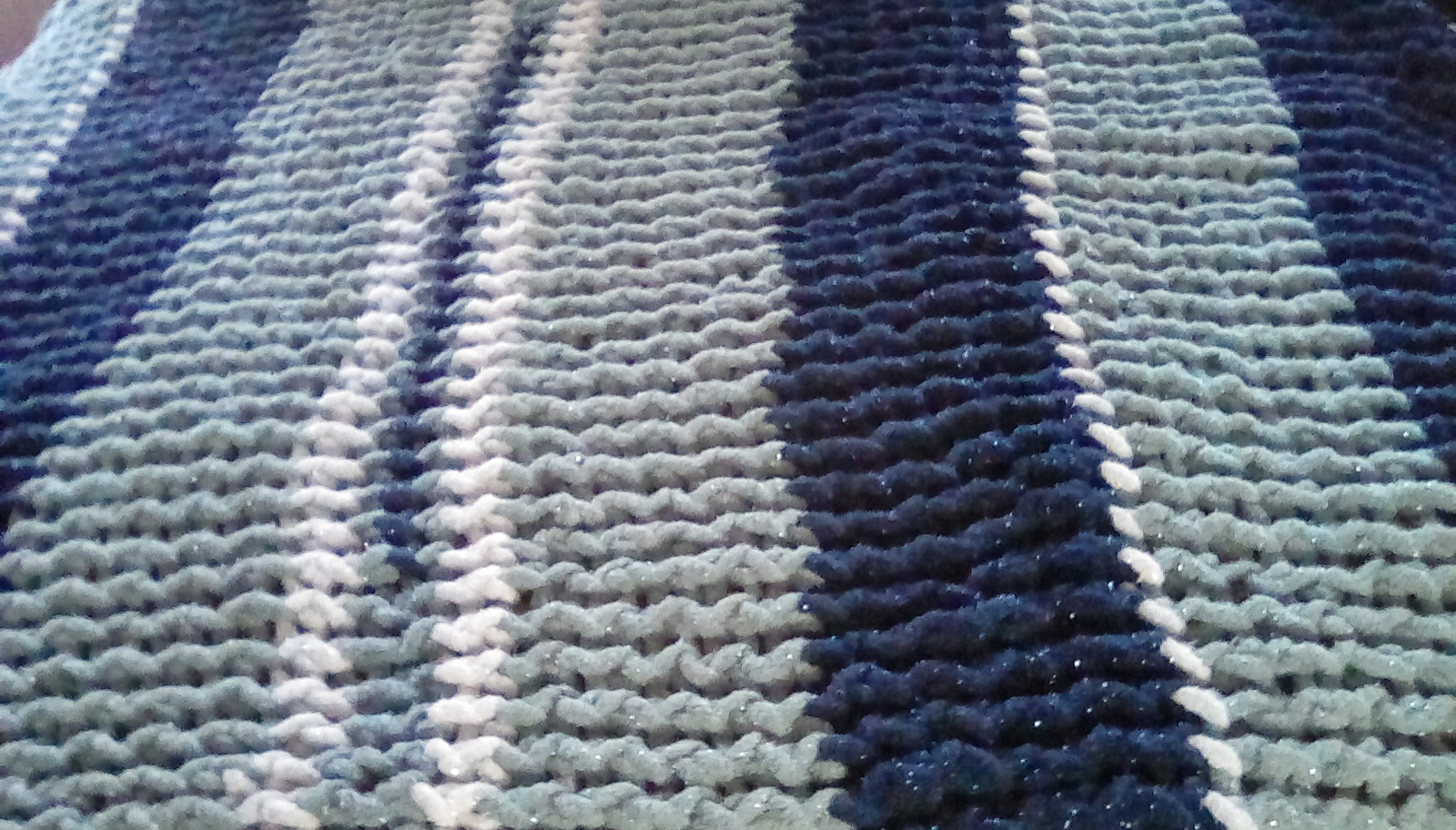
The final blanket!
Here’s something you may not know: The Shapiro Design Library isn’t just about 3D printing. It’s a playground for creativity, offering resources and hands-on tools for everything from laser cutting to textile arts (did you know they just got a sewing machine?). They regularly help anyone walking through the door to learn new skills through individualized support and guidance. Whether you’re interested in prototyping, crafting, or experimenting with a new medium, they provide the space and support to make your creative ideas real.
My Michigan Difference?
Next time you’re scrolling on your phone, swipe left on procrastination and right on innovation. Drop by the Shapiro Design Library, meet some incredible makers, and try something new. It’s where creativity comes to life at Michigan.
Go Blue, go bold—and don’t forget to make something awesome!
* Before visiting the Shapiro Design Library, I completed the 3D online training module and made a reservation—though walk-ins are also welcome.