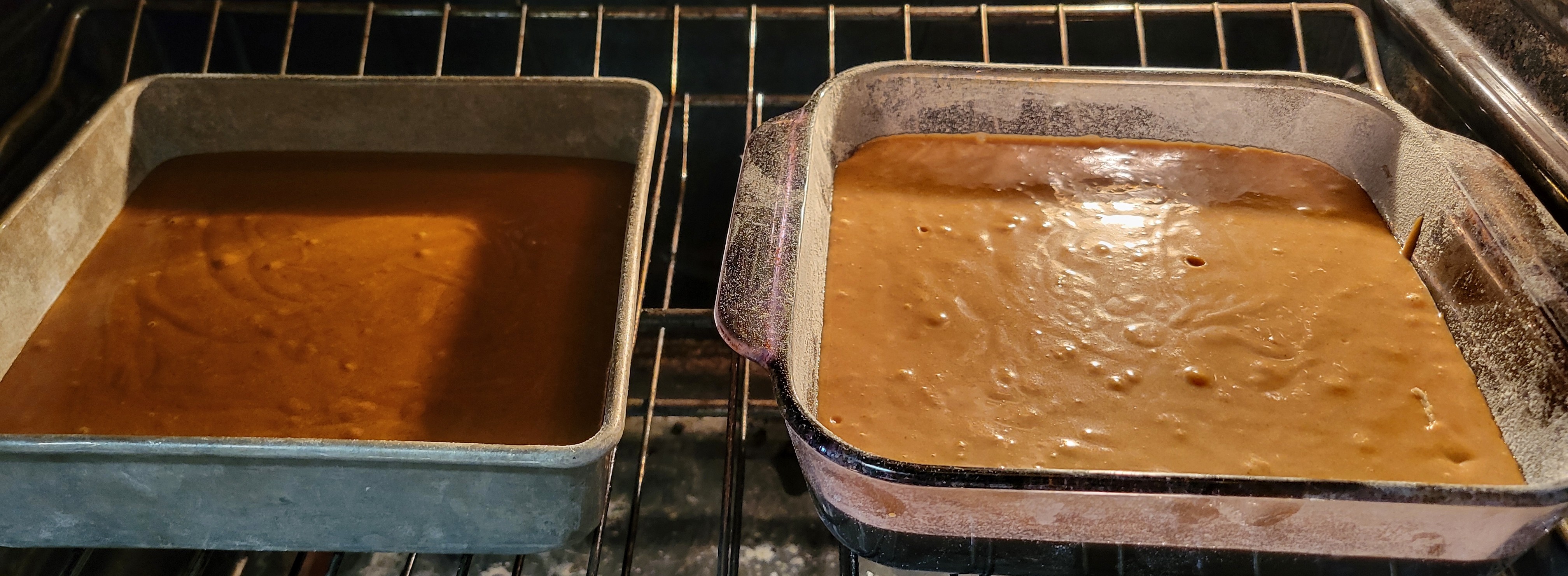
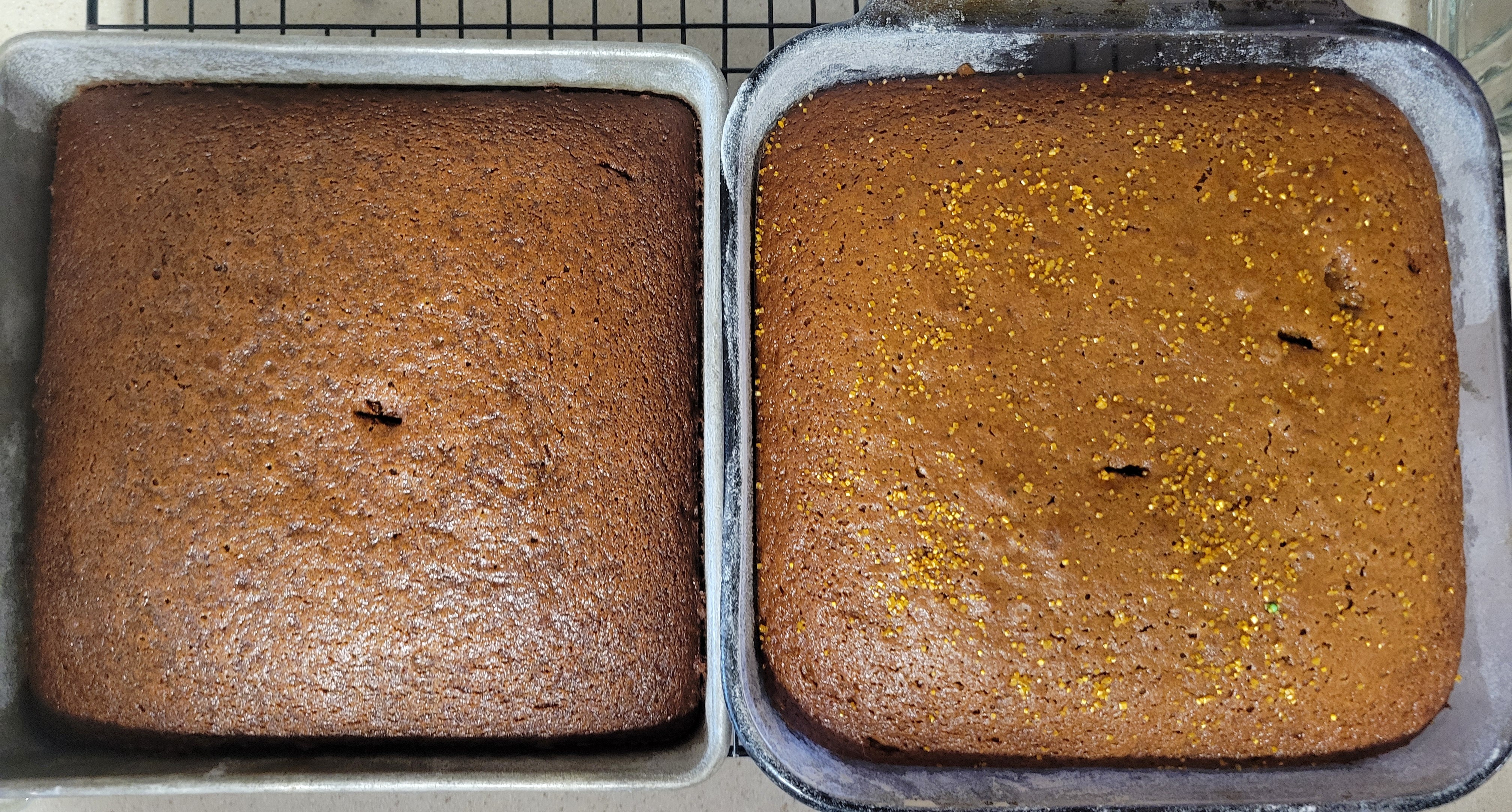
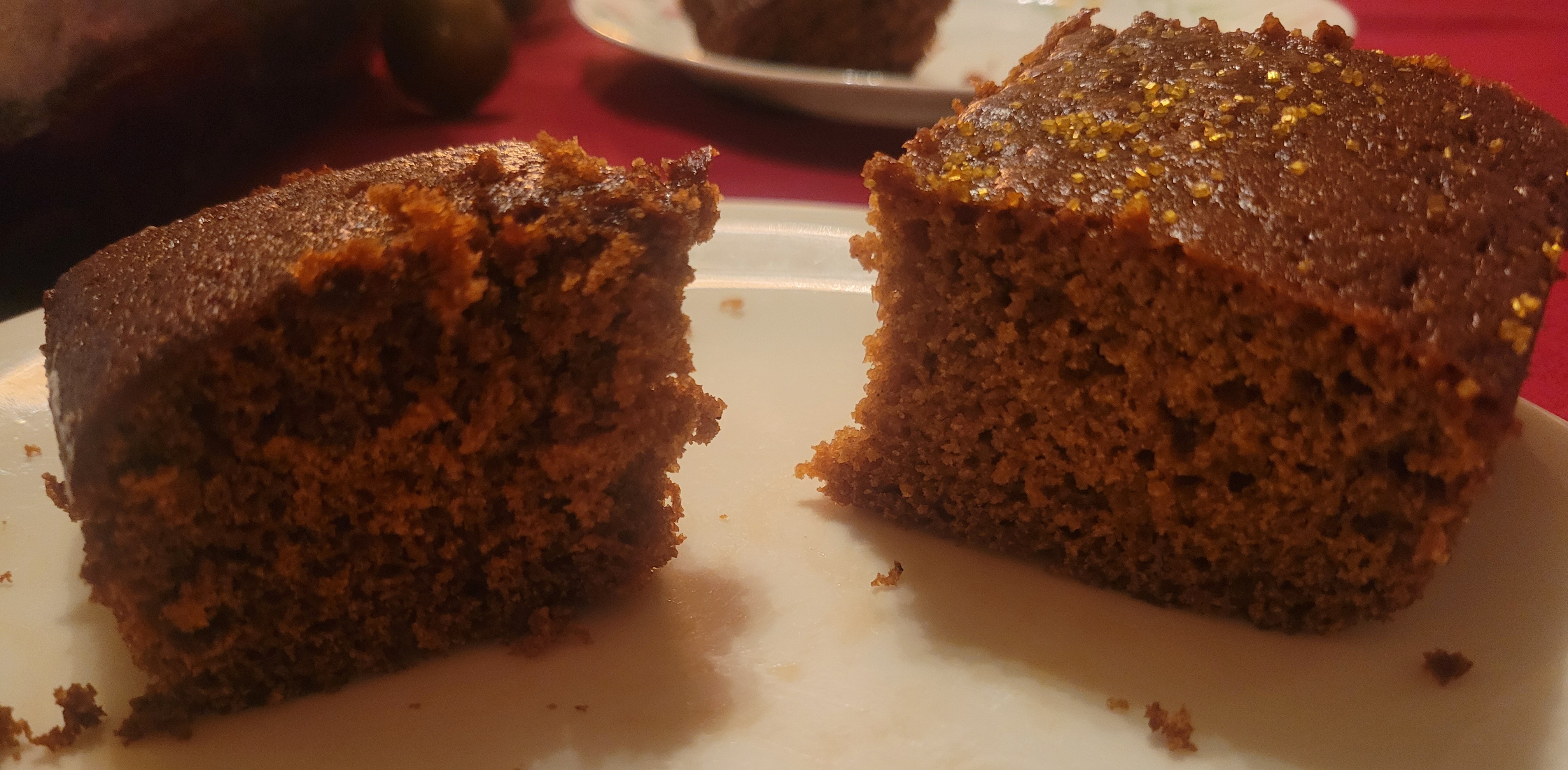
The Janice Bluestein Longone Culinary Archive holds more than 2,400 community cookbooks from across the United States, ranging in date from 1871 to 2021. This month’s blog post features two gingerbread cake recipes from The Cook Book of the Woman’s Club in Franklin, New Hampshire, published in 1922.
In the early 20th century, many women’s clubs for middle and upper class women gathered for self-improvement and the opportunity to expand their minds and interests beyond their roles as housewives and mothers. Even while showcasing their favorite recipes, the members of the Franklin Woman’s Club draw attention to these tensions in a couplet of their opening poem, “While at club we study art and books / At home, alas, we’re a bunch of cooks!” In their role as cooks, however, the women of Franklin shared recipes for cocktails (non-alcoholic), soups, entrees, salads, sandwiches, and baked goods.
One of the things that intrigues me about community cookbooks is that they often include multiple, very similar recipes for the same dish from different contributors. Over the winter break, I decided to try both Franklin gingerbread recipes to see whether they tasted significantly different.
Gingerbread (No. 1)
1 cup sugar
1 teaspoonful salt (scant)
1 teaspoonful cinnamon
¼ teaspoonful nutmeg
¼ teaspoonful clove
¼ teaspoonful ginger
2 tablespoonfuls molasses
4 tablespoonfuls butter
1 egg
1 cup sour milk
2 cups flour
1 teaspoonful sodaSprinkle a small amount of sugar over the top, and bake forty-five minutes.
Lena F. Burleigh
As is often the case in community cookbooks, this recipe provides little in the way of instructions, but the proportion of wet and dry ingredients makes it clear that this is a cake batter (not a gingerbread cookie) and the amount seemed about right for an 8x8 square pan. The recipe doesn’t give even an estimate of the baking temperature, but given the length of time (45 minutes), I knew it had to be relatively low. I baked my experimental cake at 350* but I think 325* might have been more appropriate as the edges were pretty dry by 45 minutes.
Gingerbread (No. 2), submitted by Ethel Woodman, provides even less information. In fact, it is only a list of ingredients, and no ginger at all!
Gingerbread (No. 2)
½ cup sugar
¼ cup butter or Crisco
1 egg
¼ teaspoonful cinnamon
¼ teaspoonful clove
½ cup molasses
1 ⅔ cups flour
¼ teaspoonful nutmeg
⅔ cup boiling waterEthel Woodman
I served both of these gingerbread cakes for Christmas dinner to a generally positive response. The intense molasses flavor and moistness of Gingerbread No. 2 made it the holiday winner, even in the absence of ginger! The really interesting thing about this is that Gingerbread No. 1 (includes ginger, but just 2 tbsp of molasses) did not read as “gingerbread” to the modern American palate (at least as represented in my household). Everyone felt it tasted more like a spice cake than what they expected from something titled gingerbread. So, based on this very small sample, molasses appears to be more essential to gingerbread than ginger!